There is a peculiar feeling reserved for the music we love most.
Not the albums that soundtrack a summer and disappear by September. Not the songs added to a playlist and forgotten weeks later. But the rare records that arrive and immediately feel significant—so significant, in fact, that listening to them too often begins to feel risky.
The instinct is contradictory. When we discover something we love, our first impulse should be to consume it endlessly. Yet many people do the opposite. They save it. They return to it sparingly. Certain songs become reserved for specific walks, certain albums for long flights, certain records for moments when they can give them their full attention.
It is less about self-control than preservation.
In a culture built around repetition, overexposure has become a familiar fear. Streaming platforms encourage endless playback. Algorithms reward familiarity. Songs become background noise in cafés, shops, and social feeds before they have the chance to settle into memory. We consume music more frequently than ever, yet perhaps we spend less time truly living with it.
That may explain the strange desire to protect a favorite album from ourselves.
When a record feels especially personal, listening becomes more than entertainment. The album becomes attached to a particular version of life: a season, a relationship, a city, a feeling. Playing it too often risks turning something vivid into something ordinary.
The phenomenon resembles the way people save the last episodes of a beloved television series or postpone finishing a book they cannot bear to end. The pleasure is mixed with anxiety. To finish it, or to exhaust it, means accepting that the first encounter can never happen again.
A great album is never quite as powerful as the first time it reveals itself. We know this instinctively. So we stretch out the experience. We leave songs unplayed. We skip a favorite track so it can remain special. We tell ourselves we’ll listen tomorrow.
Of course, music does not actually disappear when we overplay it. But the version of ourselves that first heard it eventually does.
Perhaps that is what we are really trying to preserve.
Not the album, but the feeling of discovering it.
The brief moment when a collection of songs feels impossibly new, when every lyric seems written for us alone, and when pressing play still carries the possibility of surprise.
Some albums are meant to be lived in.
Others are cherished from a slight distance, protected by the hope that if we listen carefully enough—and infrequently enough—they might never lose their magic.
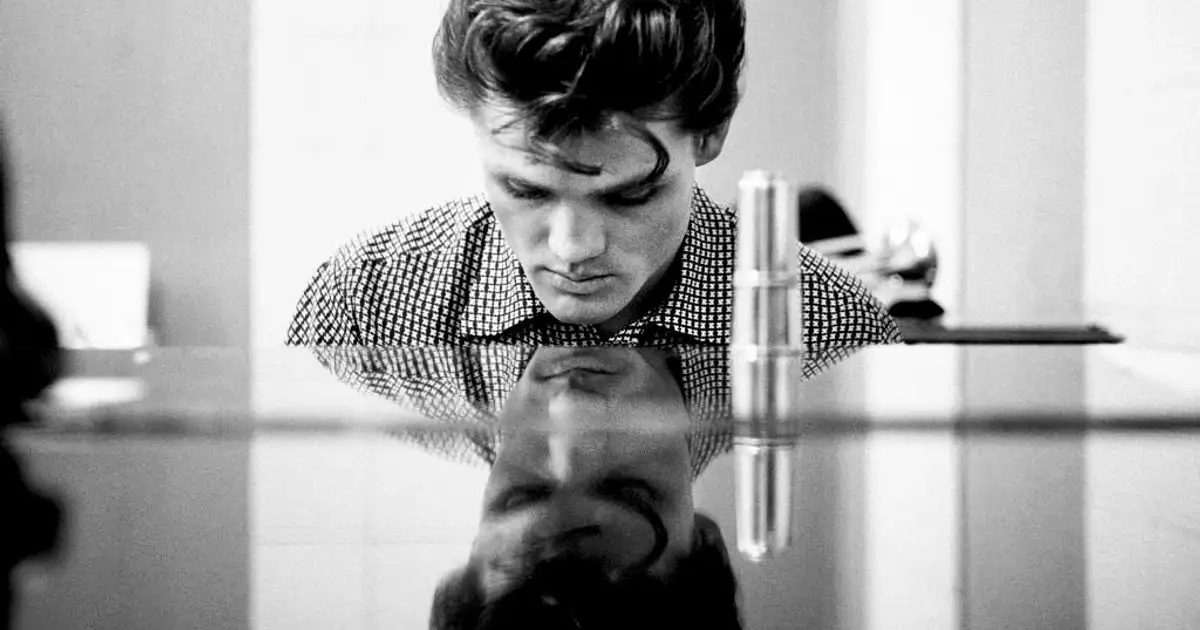
Image credit: William Claxton; ‘Chet Baker (Piano), Hollywood‘, 1954