What if we started seeing our lives the way a surgeon sees an operating room?
Not as something casual or something to move through without attention, but as something that requires precision. A surgeon understands that every decision matters. Every action has consequences. There is no space for distraction because what is being handled is too important to treat carelessly.
That idea stayed with me after reading Play It as It Lays, when Joan Didion described the idea of becoming “radical surgeons of our own lives.” Written in 1970, the phrase speaks to a simple but demanding belief: that we are active participants in shaping our own stories. We may not control everything that happens to us, but we are constantly making choices about what we allow, what we prioritize, and what we become.
That feels especially relevant now. We live surrounded by things designed to compete for our attention, and it has become surprisingly easy to move through entire days without really being present in them. We respond, consume, scroll, and repeat. Sometimes it takes a moment of interruption to realize how much of our time has passed without asking whether we were actually choosing any of it.
This is where the metaphor becomes interesting. Being a radical surgeon of your own life does not mean making dramatic decisions or removing everything that feels imperfect. It means paying closer attention. It means examining the habits, relationships, and environments that shape your everyday experience.
Sometimes that means recognizing what no longer feels aligned. It can be a friendship that consistently leaves you drained, a dynamic that makes you question yourself, or routines that have become automatic simply because they are familiar. Not everything needs to be removed, but everything deserves to be looked at honestly.
A good surgeon does not operate without understanding what they are treating. They observe first. They study the situation. They know when to intervene and when to leave something alone. The same kind of awareness can apply to the way we approach our own lives.
The challenge is that self-examination requires honesty. It asks us to look at the things we have normalized and question whether they still belong. It asks whether the way we spend our time reflects what we actually value or simply what has become convenient.
Because our lives are shaped through repetition. The conversations we keep having, the habits we maintain, the distractions we return to, and the choices we make when no one is watching all become part of the larger story.
Maybe the question is not only what we want to add to our lives, but what we are willing to examine, adjust, and protect along the way. A life does not need to be perfectly controlled to feel intentional. It only needs to be lived with enough awareness to know that we are the ones holding the tools.
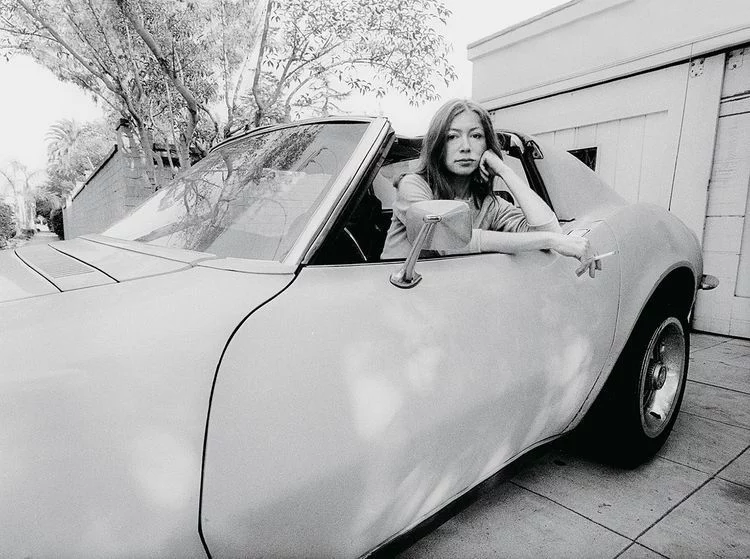
Julian Wasser; ‘Joan Didion at home with her Corvette Stingray, Hollywood, California‘, 1968