When we talk about the films we love, we usually remember the obvious things first: the story, the performances, the characters, the cinematography. But if we stop and really think about it, there is another element that stays with us long after the credits roll: the music.
A great score has the ability to become part of the memory of a film. Sometimes, it is the element that transforms a great movie into an unforgettable one. The perfect example is Jaws. Before we even see the shark, we already know it is there. Just two notes from John Williams’ iconic score are enough to create fear and anticipation. The music does not simply tell us that something dangerous is coming—it makes us feel it. That simple theme became one of the most recognizable pieces in cinema history because it understood that what we imagine can sometimes be more powerful than what we see.
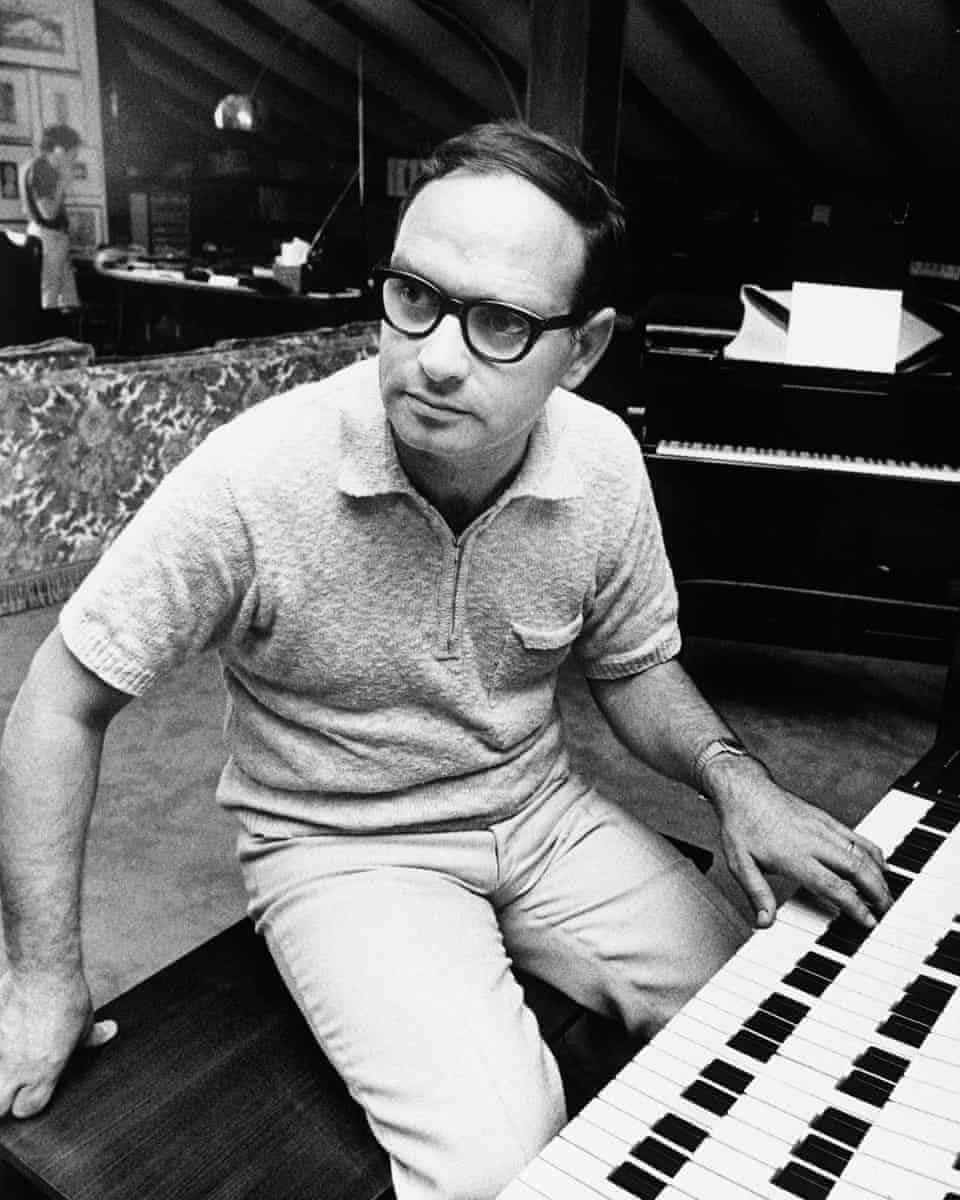
Few composers understood the connection between music and storytelling as deeply as Ennio Morricone. In The Good, the Bad and the Ugly, his unforgettable score did not simply accompany the film; it created its identity. His melodies captured the loneliness, tension, and atmosphere of the story so perfectly that the music became inseparable from the world he helped create. Morricone proved that a score could become just as iconic as the characters and images on screen.
That is the real power of a great score. It does not exist in the background; it shapes the way we experience a story. The right composition can create suspense, transform a quiet moment into something emotional, and make a scene stay in our minds years after watching it. A film’s music can become just as important as its most memorable images because it connects directly with something beyond what we see.
Hans Zimmer represents a more modern version of that same idea. Through films like Dunkirk, Interstellar, and Dune, Zimmer has shown how music can build entire worlds. His compositions do not simply support the images; they expand them, creating a sense of scale and atmosphere that would not exist in the same way without the music. His work reminds us that a score is not there to fill silence—it is there to tell another part of the story.
The greatest composers understand that a score becomes attached to memories, characters, and moments we may never want to forget. The greatest films are not only remembered for what they show us, but for what they make us feel, and very often, that feeling begins with music.
And if we are talking about the composers shaping what comes next, in my opinion, Ludwig Göransson is the Hans Zimmer of this generation. From Black Panther and Creed to Oppenheimer and The Mandalorian, his work has already become part of the language of contemporary cinema. And with The Odyssey, he really showed what he can do. He absolutely delivered, but what makes his work so incredible is the approach and research he brings into every project. He does not simply write music for a film; he immerses himself in its world, studying its history, characters, culture, and references before deciding what the score should sound like. That level of research gives his music a sense of intention that you can feel even when you cannot immediately explain why it works. Göransson is not simply following in the footsteps of Zimmer, Williams, or Morricone; he is creating his own place among them. Without a doubt, he is already making history—and The Odyssey is another reason to believe we are watching one of the defining composers of his generation.